Guidance
Guiding the current and next generation in successful business practices.
We are a group of passionate business development professionals in the Jewish community.
Guiding the current and next generation in successful business practices.
Consulting and advice on driving local markets to embrace new concepts.
Strong leadership from the best minds in the retail, hospitaility and construction industry.
Developing ideas and nurturing each cycle through to successful completion.
Read business articles and recent news.
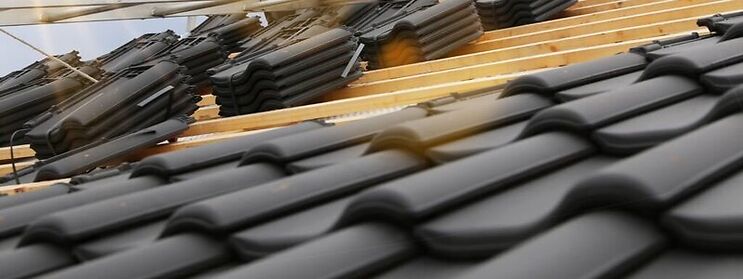
There’s nothing worse than having a leaky roof. It’s not just annoying; it also causes damage to your home. And leaks aren’t only found on houses with flat roofs. They can happen anywhere, including on homes with pitched roofs says Michael from roof restoration Brisbane.
If you live in Australia, you probably know how expensive it is to replace a leaking roof. But you might need to realize that many materials are available to fix a leaky roof. There are several types of roofing materials available to Australians. Some are cheaper than others, but all will help prevent water from entering your home.
This article will cover six common roofing materials you should consider installing on your next house.
Asphalt shingle roofing material is a type made from asphalt shingles. These are thin metal sheets attached to the top of a house or commercial structure. They look like traditional wood shakes but are much lighter and more robust. They’re also cheaper than wooden shake roofs, which makes them popular among homeowners.
Asphalt shingle roofing is durable and easy to install. It requires little maintenance and lasts for decades. However, it doesn’t last forever. Eventually, these roofs will need replacing. Sooner rather than later, though, since they tend to leak and rot over time. To keep your asphalt shingle roofing system working correctly, check it regularly for signs of damage. Look for cracks, missing pieces, and holes. Also, inspect the seams to ensure that they aren’t coming apart. If any of these problems occur, call a professional immediately.
Clay or concrete tiled roof is a roofing material made from clay or concrete. These tiles are available in many different shapes and sizes and can be installed on flat roofs or pitched roofs. Clay tiles are generally lighter and cheaper than concrete tiles, but concrete tiles are stronger, provide excellent ceiling insulation, and last much longer. Both options are durable and easy to install, although installing concrete tiles requires special tools and skills.
Clay tiles are also more environmentally friendly than concrete tiles since they are energy efficient. However, concrete tiles are more expensive than clay tiles and are heavier and harder to handle during installation. Some people prefer clay tiles because they look like traditional slate tiles, but concrete tiles look cleaner and fit most modern homes.
Copper roofing is a type of roofing material that’s made from copper sheets that are attached. These roofs are durable and attractive, and they’re ideal for homes with high temperatures since they keep heat inside the house.
Copper roofing is also great for homes that experience heavy snowfall since it keeps water away from the house. However, copper roofing isn’t recommended for homes that experience extreme climatic conditions like hurricanes or tornadoes. Since these storms can cause damage to the roof itself, homeowners may have to replace the entire roof.
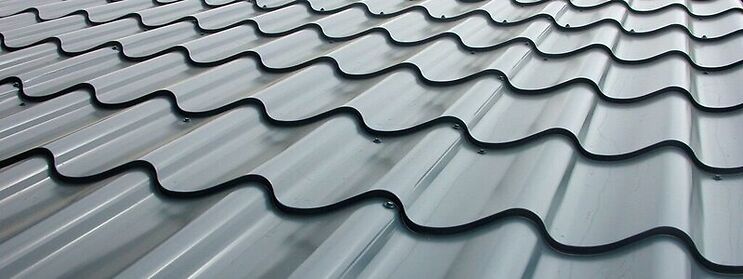
Metal roofing is made of sheets of thin aluminum or steel bent and crimped together to form a flat surface. These sheets are then attached to a structure such as a house or a barn. Corrugated metal roofing provides many benefits, including durability, strength, and energy efficiency. However, these roofs can be challenging to install.
There are two different kinds of metal roofing: single-ply and double-ply. Single-ply roofing consists of only one layer of sheet metal, whereas double-ply roofing includes two layers. Double-ply roofing is generally stronger and lasts longer than single-ply roofing. Both roofing types are available in various colors and styles, and they can be installed quickly and easily.
Membrane roofing is a type of roofing system that uses a waterproof layer of plastic film to cover the top of a structure. These roofs are designed to last decades without any maintenance and are highly durable. However, they require specialized installation techniques and may cost more than traditional roofing options. Membranes are available in different colors and styles and can be installed on flat surfaces like rooftops or sloped areas like valleys.
Some membranes are explicitly made for commercial buildings, while others are suitable for residential applications. There are many benefits to choosing membrane roofing, such as lower energy consumption, reduced water runoff, and improved air circulation as it has roof spaces. Membrane roofs are also easy to repair, which makes them ideal for businesses that experience frequent damage.
Shingles are a type of roofing material made of thin metal sheets attached to the top of a roof. Many kinds of shingles are available, ranging from traditional asphalt to fiberglass shingles and wood shakes.
Slate shingles are another option, and they’re becoming increasingly popular due to their durability and low maintenance requirements. Slate shingles look great, and they’re easy to install. They’re also fire resistant, which makes them ideal for areas prone to wildfires. Slate shingles are costly, however, so homeowners should consider their options carefully before choosing them.

If you suspect that you have a roof leak, you should call a professional right away. Many different signs could indicate a problem, such as a wet spot on the ceiling or walls, dripping faucets, or strange smells from inside your house. However, these symptoms are only sometimes easy to notice once it’s too late. To avoid having a significant issue like mold growing in your attic, you should contact a professional to inspect your roof for any problems.
If you live in a region prone to heavy rain, hail storms, snowstorms, etc., you should consider getting a roof replacement before selling your home. Not only will it improve the appearance of your home, but it will also protect your property against damage caused by different Australian climates. However, it would be best if you didn’t rush into buying a new roof without considering the costs involved. There are many factors to consider, such as the cost of materials, labor, and installation. Also, wait until springtime to install a new roof since you’ll see the best material deals.
Finding a good roofing contractor can be challenging. When choosing a roofing contractor, there are many factors to consider, such as experience, reputation, reviews, insurance, licensing, and more. However, one of the best ways to ensure that you hire a reputable roofing contractor is to ask around. Word of mouth is always the best recommendation, but asking friends and family members for recommendations is another great option. Ask your neighbors, coworkers, and anyone who knows about roofing repairs or replacements.
Remember to check online too! They are great resources for finding local businesses. Once you’ve narrowed your list, call the top few candidates and ask them to send you references. Make sure you follow up with these references and ask them if they have had any problems with the contractor. Also, look for signs of shoddy workmanship. If you see any issues, contact the contractor immediately and let them fix them.
In conclusion, if you live in Australia, you have a lot to look forward to when it comes to roofing materials. A wide range of roofs is available, from traditional asphalt shingle roofs to metal roofs and tile roofs. Each type has its advantages and disadvantages, but whichever kind of roof you choose, you’ll find your preferred roofing material that will last for years.
If you are worried about termites, that’s normal. Especially if you live in an area where infestations are common. For this reason, you’ll want to have an inspection done.
How often should you have a termite inspection done? We’ll answer that question briefly. Termites are small, but can do a tremendous amount of damage.
That’s what happens when they operate in large numbers as a colony. You want to get rid of them as fast as you can to ensure that your home is protected from the inside and out. The sooner you prevent any kind of termite infestation, the better.
Is it worth it to get an inspection done in a high termite pressure environment. Yes. It’s something that can be done annually. Let’s continue talking about termites and why an annual inspection is worth it.
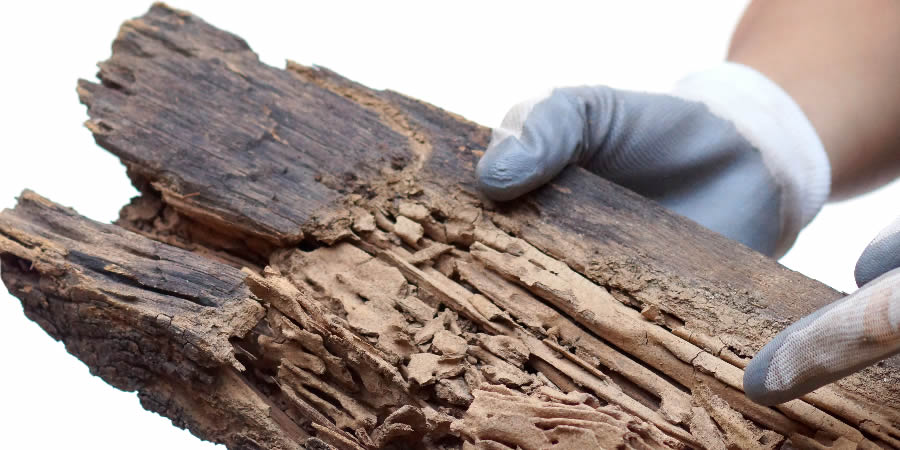
As mentioned, you want a termite inspection done every 12 months. However, it should be done under the following conditions:
Older homes will be built from wood. This can be a primary target for termites. So it would be smart for you to get an annual termite inspection to ensure none of them have done damage to your home.
Termites live in warm, humid areas of Australia. That’s where they are most active. If you live in Queensland, you’re in a place where termites will likely be present. Even in the summertime, termites will be very active.
Termite inspections will be something that will cost you somewhere between $50 to $250. That will depend on various factors. Setting aside an amount of money every year will ensure that you are prepared for the annual inspection. It might help to set aside a little bit of extra cash in case you need professional services.
Termites have the ability to travel 50 to 80 meters away from their nest. If your neighbours are dealing with termites, it might be a matter of time until your home becomes a target. Termites can move fast and do damage fast.
This is your chance to take the necessary precautions to ensure the termites affecting your neighbours don’t attack you next. An inspection will be the perfect course of action to take to ensure that it’s not too late.
The sooner you get your home inspected, the quicker you will be able to get answers regarding whether your home is safe or not. If you are dealing with a problem, that’s when a pest control professional will be able to give you the next set of options on what needs to be done.
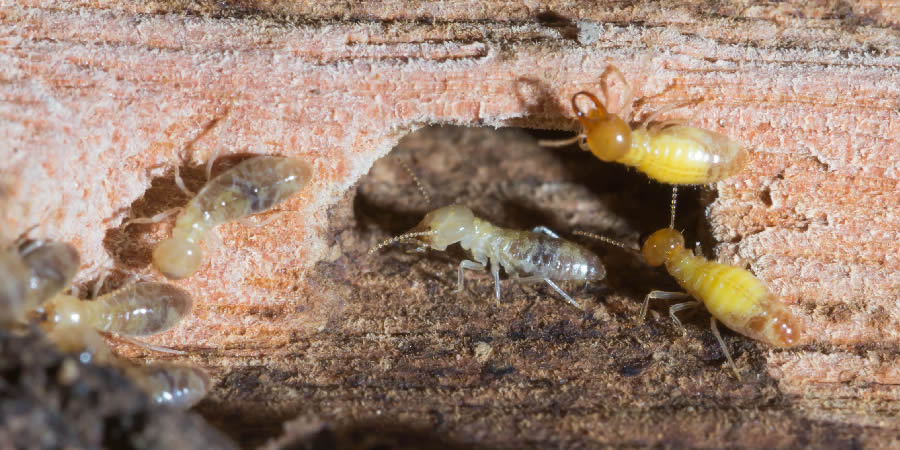
One of the best times of the year for termites to be active is during the summer months. As the temperatures and humidity levels increase, so do the presence of various pests including termites. With that in mind, you’ll want to do the following precautions:
One of the best points of entry for termites are water pipes. All they need to do is find a place where a leak is coming from and they’re in. Check under your kitchen and bathroom sinks for any leaks and seal them as soon as possible.
A well-ventilated home is something termites don’t like. But don’t overdo it to a point where it gives termites an entry point. Basements with windows will benefit greatly since they provide you with excellent subfloor ventilation.
Any wooden materials learning up against your home or near it should be relocated to a different location. Find designated storage areas in your home where you can be able to relocate these items so they are less likely to get damaged by termites
These are precautions that you should take aside from scheduling an inspection for termites. It’s no secret that termites will find an opportunity to get inside your home and destroy it. If you notice any door frames or floors bowing or blistering, it may already be too late.
If you are concerned about termites, there’s a good chance you live in a high pressure region. For this reason, getting an annual termite inspection will be necessary. No time is better than now to schedule one.
The sooner you get started, the more likely your home will be protected. Acting when it’s too little, too late can be costly. A professional inspector will find many signs of termite infestation.
Plus, they’ll give you a battle plan on what you’ll want to do to prevent an infestation in the future. When you work with a termite inspector, you’ll have options depending on your situation like an infestation or no termites present.
Some people might choose to DIY their carport, while others may choose to have a custom carport built. Both options have pros and cons, so taking the time to weigh your choices before making a decision is essential. If you’re on the fence about whether or not to DIY or go custom, read on for more information about each option.
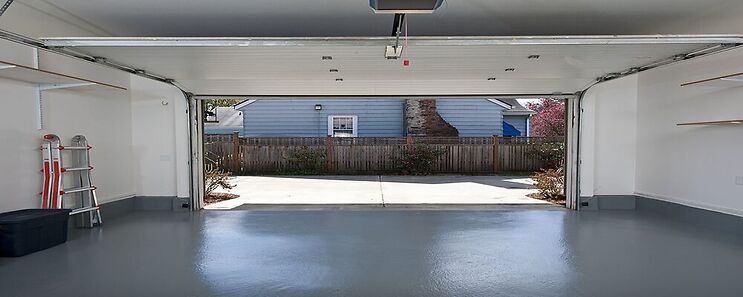
A custom-built carport is a specially designed and manufactured carport. It is usually made to order from a wide range of custom designs according to the customer’s specifications. They are also installed by professional carport builders like Just Patios based in Australia. Custom carports can be made from various materials, including aluminum, steel, wood, or polycarbonate. They can be freestanding or attached to a building. Below is a list of pros and cons for customizing a carport.
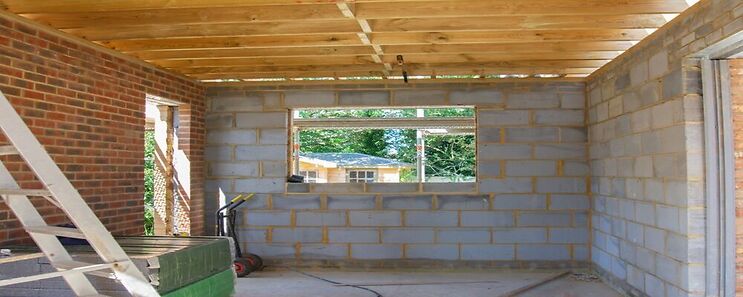
A “do-it-yourself carport” is a structure you can build yourself, typically using carport kits or pre-fabricated parts. It can be single carport kits or double carports for extra space. Make sure you measure the space carefully and choose suitable materials to make your carport sturdy and stylish.
The most important thing is the reason why you want to build a carport in the first place. A custom carport may be the best option, as it can be explicitly designed to meet your needs. On the other hand, DIY carports may not provide the same level of protection as a custom carport.
If your vehicle’s value exceeds the cost of a custom carport, then you should have a custom carport built. A custom carport will protect your vehicle from the elements and could add value to your home should you ever decide to sell.
DIYing your carport may be your best option if you have a limited budget. However, if you are not confident in your ability to build a sturdy and durable carport, then hiring a professional to do custom work may be worth the extra cost.
Location and weather conditions are essential when deciding whether to DIY or build a custom carport. If you live in an area with severe weather conditions, having a carport that can withstand high winds and heavy rain is crucial. A custom carport builder can help you choose the right design and materials for your climate, ensuring your carport is beautiful and durable.
If you’re only going to be in the area for a year or two, it might make more sense to go with a DIY carport. On the other hand, investing in a custom carport might make more sense if you stay in the area for a while. This is because a custom carport will be built to fit your specific needs and will last much longer than a DIY carport.

Yes, building a carport generally requires council approval and a permit, regardless of whether it’s a gable carport or a wooden carport. The process and requirements vary depending on your local council, but in most cases, you must submit a development application (DA) for approval.
In Brisbane, the Brisbane City Council website advises that carports attached to houses require planning approval and building regulation approval via a DA. However, if the carport is detached from the house, regulation approval is required via a building application lodged with the Queensland Building and Construction Commission (QBCC).
When choosing materials for a carport, you’ll need to consider the climate in which you live. If you live in a cold environment, you’ll need to choose durable materials that can withstand cold weather. If you live in a warm climate, you’ll need to select materials resistant to the sun and rain.
You’ll also need to consider the weight of the materials. Some materials are heavier than others, so you’ll need to ensure that your carport can support the weight of the materials. You’ll also need to consider the cost of the materials. Again, some materials are more expensive than others.
Finally, you’ll need to consider the appearance of the materials. Some materials look better than others.
There are a few instances when carports are not allowed in Australia. One example is when the carport is located within 1 metre of a boundary fence line. Additionally, carports must not be situated to interfere with any easements on the property or negate the required setback distances from the street or footpath. Lastly, class 1 & 2 heritage buildings generally cannot have carports as they front onto the road and mar the building’s heritage significance.
In Brisbane, the maximum number of carports you can have on your property is one. This is specified in the Brisbane City Council Planning Scheme and is based on the available parking on the property. To install a carport, you must apply for development approval from the council.
Concerning carports, there are two main options: custom or DIY. Both have pros and cons, so deciding which option is the best option for you can be challenging. We’ve outlined the pros and cons of each type of carport to help make your decision a little easier. If you still have questions after reading this article, contact us for more information. We want to ensure you get the perfect carport for your needs!
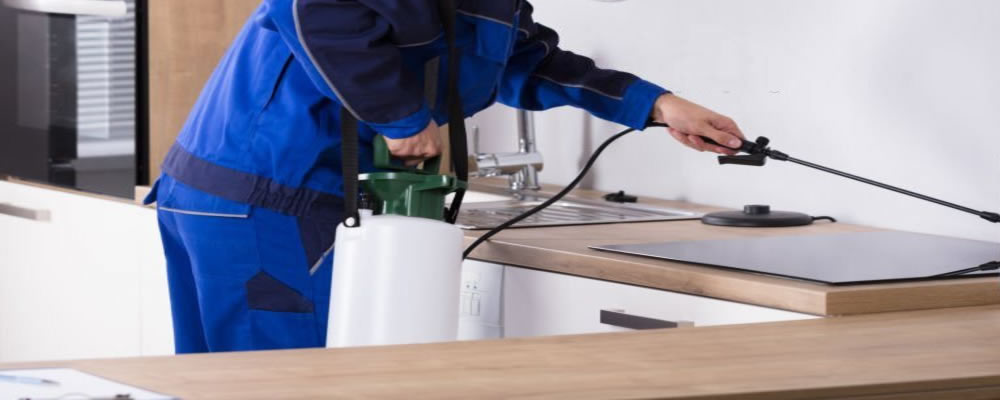
Unfortunately, dealing with pests is an unavoidable part of owning a home. Luckily, there are many ways to control various pest infestations. In many cases, homeowners can take proactive measures to prevent pest infestations. If an infestation is getting out of hand, however, you likely need to resort to professional pest control.
When it comes to finding the best pest controller for your home, many people aren’t sure where to start. Here are the top tips for choosing the best pest controller for your specific situation.
Homeowners should conduct a thorough research when looking for a reliable pest controller. Pest control is one of the issues that must be handled correctly the first time. If it is not done right, the infestation will persist. You will need to hire another company to resolve the issue. Needless to say, this can be both frustrating and costly. Thus, you should only hire a pest control company if you are confident in their competence and trustworthiness. If you live in Australia, visit https://aepma.com.au/pages/ManagerSearch.aspx your nearest AEPMA member.
When researching a pest control company, here are some things to pay attention to.
These associations exist at the national, state, and local levels, and they help regulate pest control methods. They also require members to adhere to a code of ethics. It can give homeowners some peace of mind that their service will be professional and honorable.
Companies that provide special services (like pest control) should always offer a guarantee for their work. Do your research to learn about whether the companies you’re considering offer guarantees. If so, what you need to do to ensure the guarantee stays valid.

With pest control a lot can go wrong, either due to accident or negligence. It’s crucial that the company you choose for pest control have liability insurance so that you and your home will be protected from damages.
To learn if the company has appropriate insurance, you can ask a salesperson or point of contact. This is a perfectly fair question to ask as a potential customer. You should ask to see proof on paper that the company actually has the insurance they say they do.
Many states offer pest control licenses, and you should only consider hiring a company with a valid pest control license. You can find out if the company’s license is current by contacting the pesticide regulatory agency for your state.
Once you’ve found a few pest control companies that you think might be good options for your pest problem, the next thing to do is ask them plenty of informative questions. Here are some questions you should ask:
Pest control is a big operation, and you need to be sure that the company you choose is reliable. Contacting previous customers (with their consent) is a great way to find out what you can expect or if you should go in a different direction.
This may seem like a very specific question, but it’s an important one to ask. You can use this information to contact official offices like the State Department of Agriculture, the Better Business Bureau, the Environmental Protection Agency, and the State Attorney General’s Office to ask if the company has received any complaints about misusing pesticides or its employees.
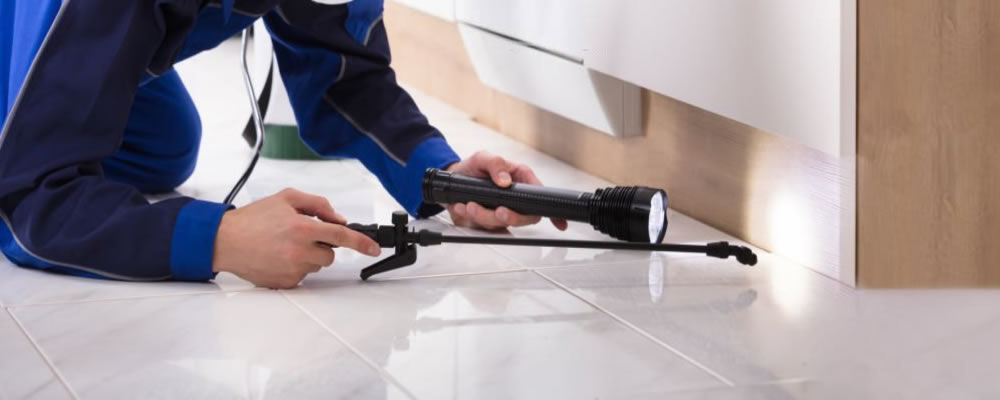
The law states that each pest control company needs to have a minimum of one licensed commercial pesticide applicator in each service category. All other applicators need to either be certified themselves or under the direct supervision of someone who is. Asking this question lets the company know that you’re aware of this rule, and that you expect compliance with the treatment of your property. Just be sure to follow up when the application day arrives.
Given that many pesticides are toxic, you need to know what, where, and how much is being sprayed in and around your home.
When choosing a pest control company for your home, it’s very important that you do thorough research and ask a lot of questions. Pesticides can be dangerous. Hence, it needs to be applied with precision and professionalism. You can do your part in guaranteeing safe pesticide application at your home by reading up on potential companies and asking a lot of questions before application.